Brow knowledge
The Brow Library
Straight answers about cosmetic brow pigment and non-laser removal — written from the studio, not for the algorithm. Each article leads with the answer.
01
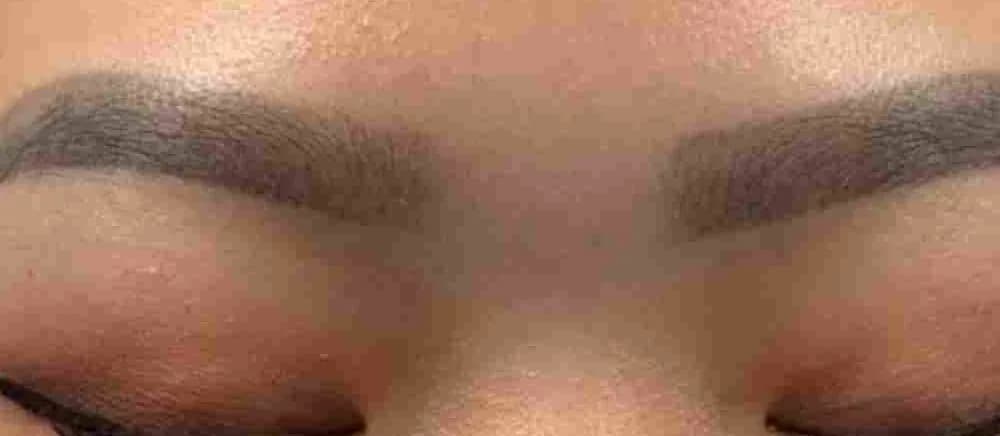
Can old microblading be removed?
In many cases, yes — old microblading can be progressively lightened with non-laser removal, often substantially. How far it can go depends on the pigment, its depth, and how your skin responds.
Read the full answer →
02
Why does microblading turn gray or blue?
Because the warm tones in brow pigment break down faster than the cool ones. As a brown pigment's warm components fade, the remaining cool base — often carbon-based — reads gray, ashy or blue through the skin.
Read the full answer →
03
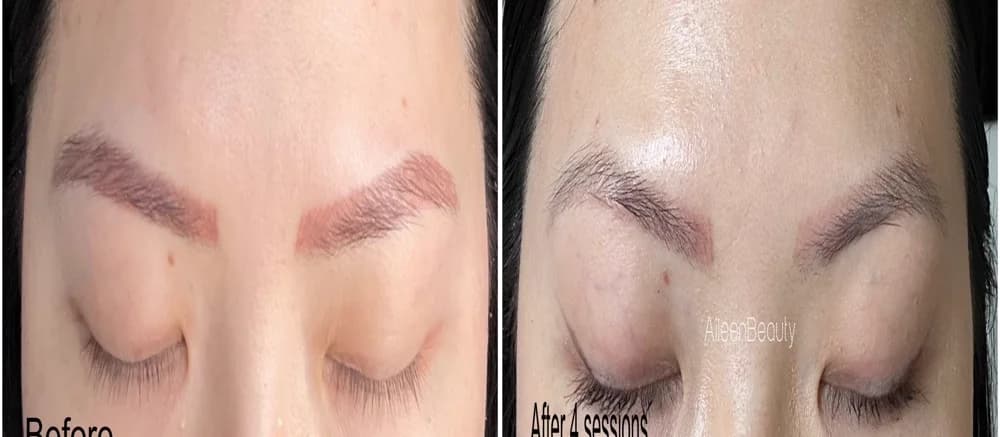
How many eyebrow removal sessions might be needed?
It genuinely varies — commonly several sessions spaced 4–6 weeks apart. Pigment colour, density, depth, layered previous work, your skin's response, and how light you want to go all move the number.
Read the full answer →
04
Laser vs non-laser eyebrow tattoo removal — what's the difference?
Laser shatters pigment with light energy; non-laser removal progressively lifts pigment out through the skin's own healing. For brows — a small area with hair follicles worth protecting and cosmetic pigments that can react unpredictably to laser — non-laser is often the gentler, more controlled path.
Read the full answer →

05
What is healing like after eyebrow tattoo removal?
Expect a short settling period after each session — the treated area rests while the skin renews, and the pigment continues lifting during the 4–6 week healing window. Most of the visible change happens between sessions, not during them.
Read the full answer →
06
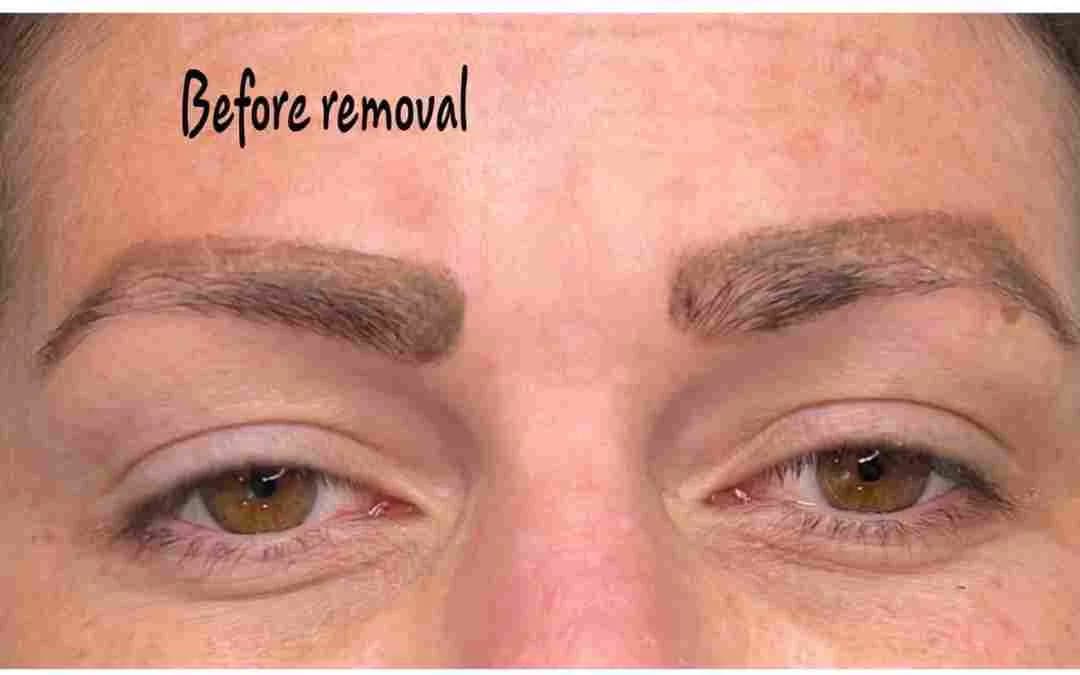
Botched microblading — what are your options?
You generally have three: wait for natural fading (slow and often incomplete), cover it with more pigment (adds density to a problem made of density), or progressively remove the unwanted pigment. For shape mistakes, migrated strokes or wrong colour, removal is usually the option that restores choice.
Read the full answer →
07
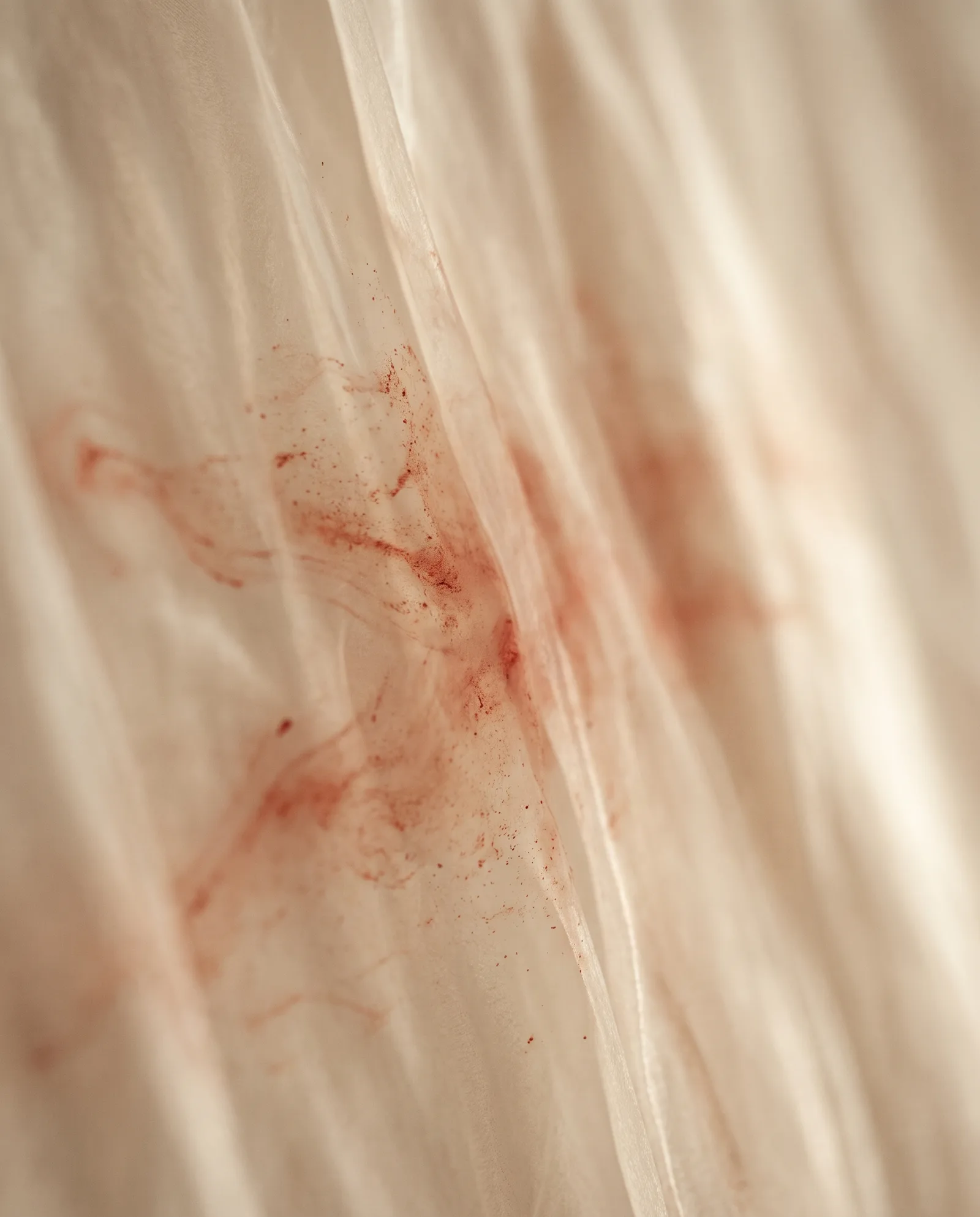
Why does old brow tattoo turn red or orange?
Because the cool tones in the pigment mix break down or were corrected away first, leaving the warm base behind. Old brow work drifts red or salmon-orange when the black and ash components fade faster than the iron-oxide warms underneath.
Read the full answer →
08
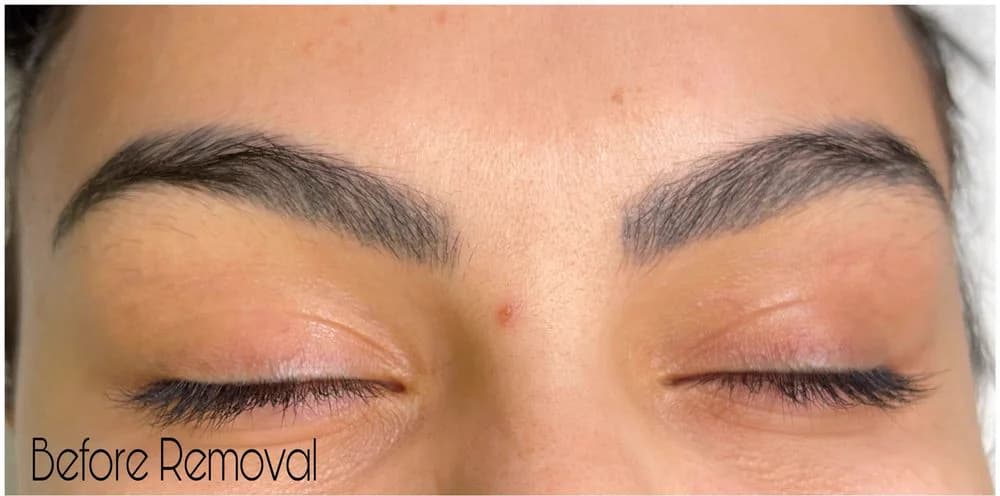
Why won't my microblading fade?
Usually because the pigment sits deeper than intended, was applied densely or repeatedly, or contains stable compounds — often titanium dioxide or iron oxides — that the skin cannot break down on its own. "Semi-permanent" describes the intention, not a guarantee.
Read the full answer →

09
What does eyebrow tattoo removal cost?
At Aileen's Beauty, non-laser removal sessions typically run $280–$380, priced by the complexity of your brows — dense, layered or deep pigment simply takes longer to lift, and the work is unhurried by design. You pay session by session, never upfront, and your exact rate is confirmed at your assessment. A $100 booking deposit is credited toward your session.
Read the full answer →
10
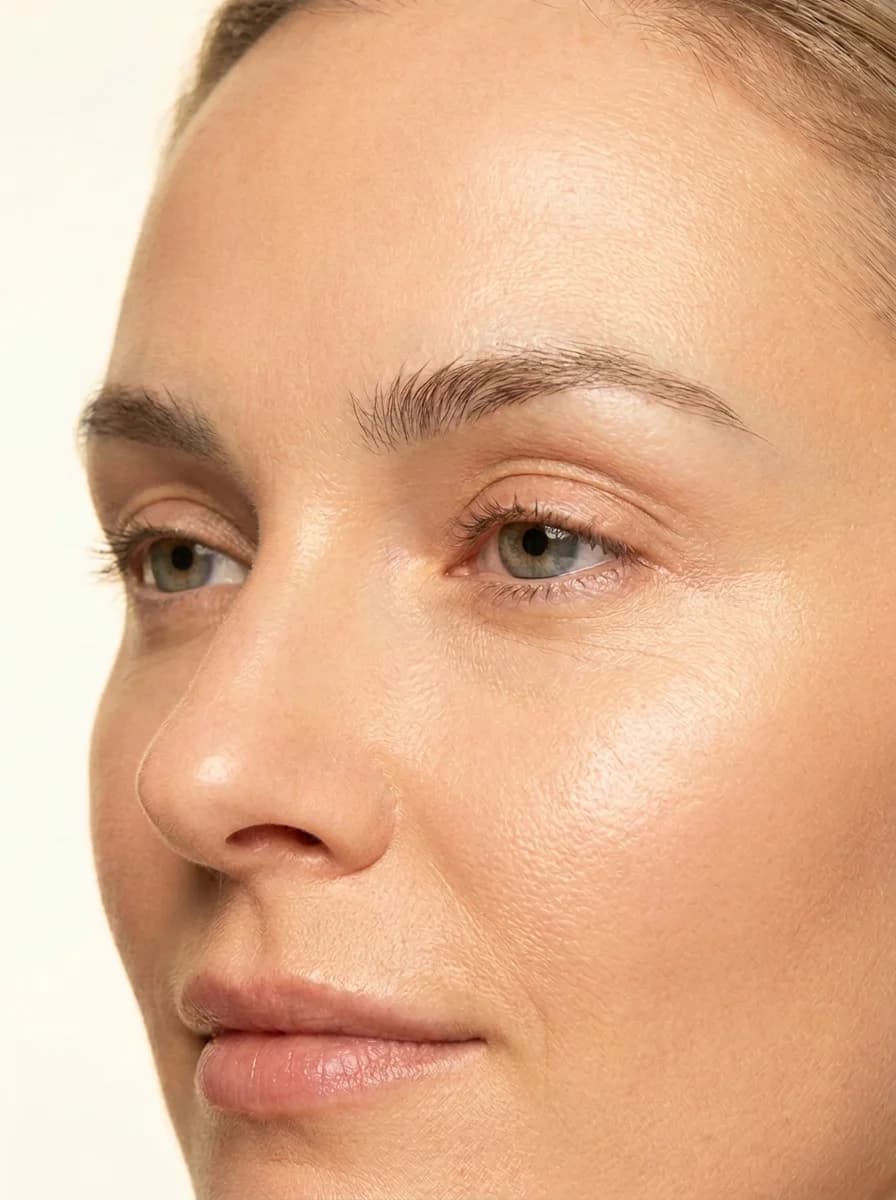
What does your eyebrow shape say about you?
More than most features, brows are how a face speaks before you do. Research on facial perception suggests bold, defined brows read as confident, soft rounded shapes as warm and approachable, straight brows as youthful — which is why the wrong tattooed shape can feel like wearing someone else's expression.
Read the full answer →
11
Eyebrow tattoo removal techniques — what should you expect?
The main routes are laser removal, saline-based (non-laser) extraction, and simply covering the old work with more pigment. They differ in how they treat pigment: laser shatters it into the body, saline lifts it out through the skin, and cover-ups add to what's already there.
Read the full answer →

12
Does eyebrow tattoo removal hurt?
Most clients find non-laser removal more comfortable than they expected — many compare it to the original microblading rather than to laser. The area is numbed with a topical anesthetic before any work begins, and sensitivity settles quickly after each session.
Read the full answer →
13
I hate my new microblading — how soon can it be removed?
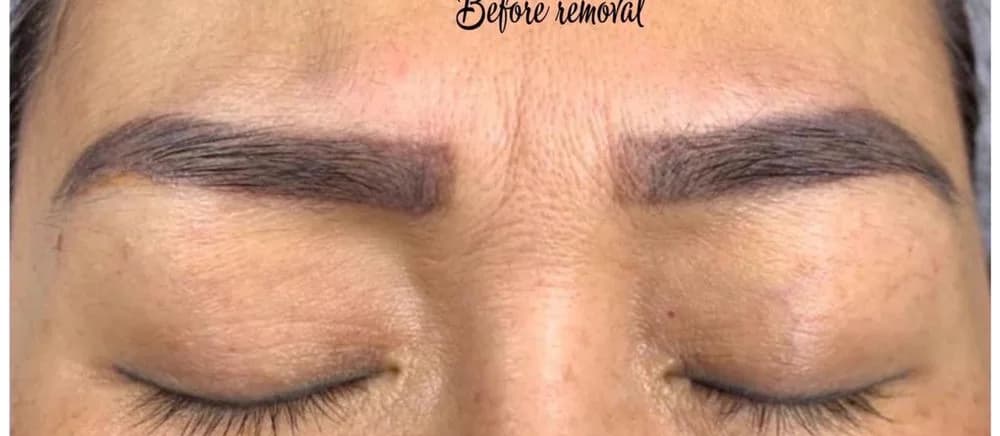
Not immediately — but sooner than most people fear. Fresh microblading needs to finish its initial healing, usually six to eight weeks, before removal can begin safely. The right move today is a photo assessment, so a plan is ready the moment your skin is.
Read the full answer →
14
Will my natural brow hair survive tattoo removal?
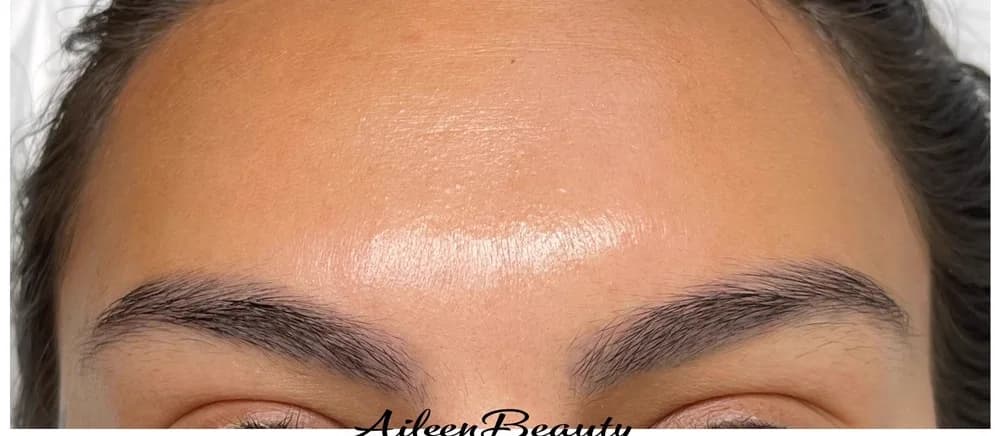
Non-laser removal targets the pigment sitting in your skin, not the hair follicles beneath it. Natural brow hair is expected to remain through the process — in the studio's own case photos, clients finish their sessions with their brow hair intact.
Read the full answer →
15
Do men get eyebrow tattoo removal?
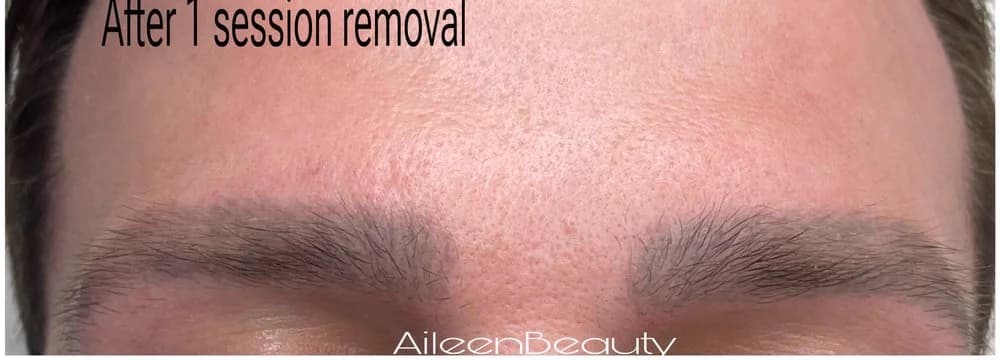
Yes — more often than most people expect. Men come in to remove brow tattoos that healed too dark, too sharp or too visibly 'done', and the goal is almost always the same: brows that look like they were never touched.
Read the full answer →